Hartford County, Connecticut

The birds you love, brought to your window.

Custom bird feeder installation, cleaning, and refilling. We handle the seed, the squirrels, and the scrubbing — you just enjoy the show.

Field notes

Hartford County regulars

Common songbirds at well-tended feeders

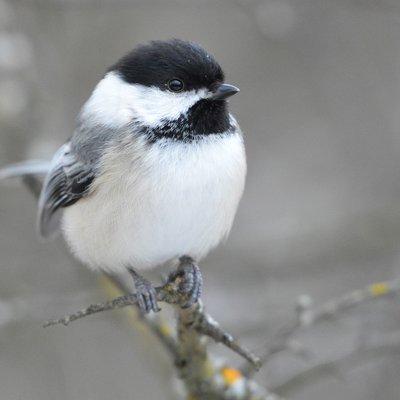
  • Black-capped ChickadeeYear-round
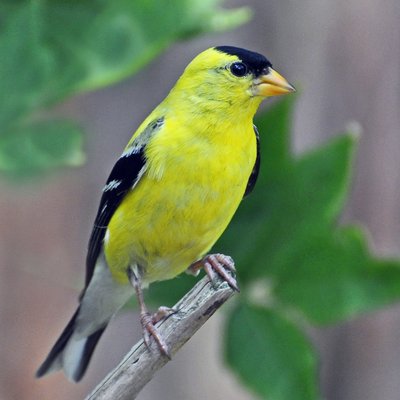
  • American GoldfinchYear-round
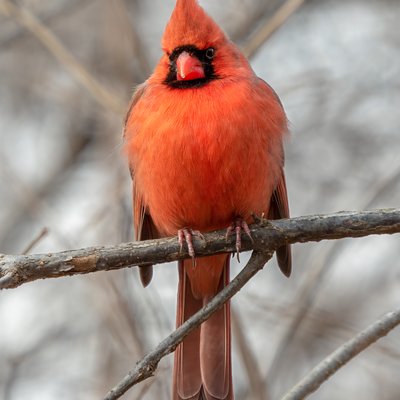
  • Northern CardinalYear-round
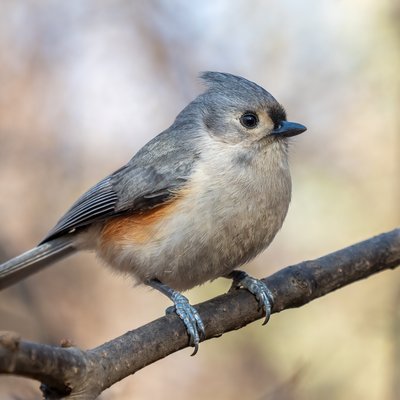
  • Tufted TitmouseYear-round
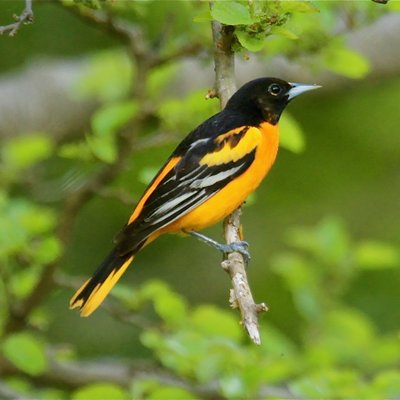
  • Baltimore OrioleMay–Aug
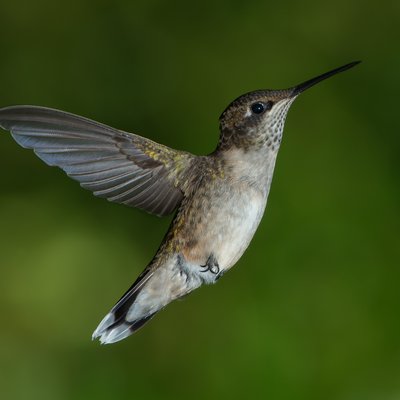
  • Ruby-throated HummingbirdMay–Sep
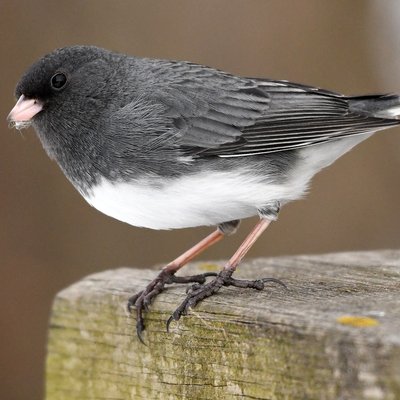
  • Dark-eyed JuncoWinter
How it works

Three steps to a yard full of song.

From the first walk-through of your yard to a feeder you never have to think about again — here's what working with us looks like.

01

Free consultation

We visit your property, talk through the birds you want to attract, and recommend the right feeders, placement, and seed. No charge, no pressure.

02

Custom install

We bring the hardware, set the poles or hangers, hang the feeders, and stock them. You'll see your first visitors within days, often within hours.

03

Ongoing care

We come back monthly or bi-weekly to clean feeders, refill seed, and swap setups by season. Healthy birds, no mold, no rodents, no work for you.

Feeder packages

Pick the birds. We'll do the rest.

Each package is built around the birds you want to see — using the right feeders, the right seed, and placement tuned for your yard.

Most popular

Songbird Generalist

The everyday symphony

A tube or hopper feeder loaded with black oil sunflower — the broadest possible draw. You'll get cardinals, chickadees, titmice, nuthatches, finches, and woodpeckers all on one setup.

Cardinals · Chickadees · Titmice · Nuthatches · Finches

The Goldfinch Setup

Yellow flashes all summer

A nyjer thistle sock or mesh tube placed where finches feel safe. Goldfinches are the showstoppers — bright lemon-yellow males in summer, with pine siskins and house finches mixed in.

Goldfinches · House Finches · Pine Siskins

The Woodpecker Bar

Suet, seeds, and big visitors

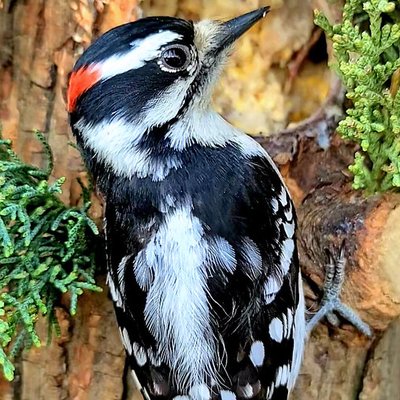
Suet cage and peanut feeder mounted on a sturdy pole or tree. Brings in downy and hairy woodpeckers, red-bellied woodpeckers, and the occasional flicker — plus nuthatches working the suet upside-down.

Downy · Hairy · Red-bellied Woodpeckers · Nuthatches

The Oriole Package

May through August

Orange halves, grape jelly cups, and a nectar feeder set up before orioles arrive in early May. Baltimore orioles are gone by late summer, so timing is everything — we install when they show up and pull when they leave.

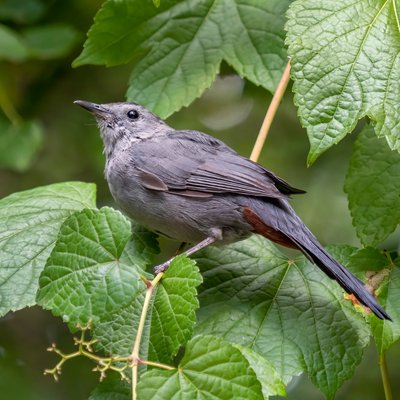
Baltimore Orioles · Catbirds · Tanagers

The Hummingbird Package

May through September

Two nectar feeders placed for visibility from your favorite window, with bi-weekly nectar swaps to prevent fermentation. Ruby-throats are territorial — we'll set them up so you see proper aerial battles.

Ruby-throated Hummingbirds
Bear-safe

The Winter Package

December through March

Built for Connecticut bear country. We install in early December once bears den up and pull everything by late March before they wake. Suet, sunflower, and safflower draw in juncos, cardinals, and winter finches.

Juncos · Cardinals · Winter Finches · Chickadees
Why The Bird Magnet

Bird feeding done right.

Local expertise

We know which birds live in Hartford County and which seed brings them in. Generic advice from a national chain won't tell you that bears mean you take feeders down by April.

Truly hands-off

Most "bird feeder services" sell you a feeder and leave. We come back, every time, to clean, refill, and swap by season. You never lift a bag of seed.

Healthy for the birds

Dirty feeders spread salmonella and conjunctivitis through songbird populations. Our cleaning protocol uses diluted bleach solution and full disassembly — the standard Audubon recommends.

No mess, no rodents

We use no-mess seed blends and seed catchers under every feeder. The result: no shells on your patio, no sprouting under the feeder, and nothing on the ground for rats and mice.

Book a consultation

Free, on-site, no obligation.

Tell us a bit about your yard and the birds you'd love to see. We'll reach out within 24 hours to find a time that works.

  • Visit takes about 30 minutes
  • We'll walk your yard together and identify ideal feeder locations
  • You'll get a written quote with package recommendations
  • No charge for the consultation, ever
  • Serving all of Hartford County and surrounding towns

We'll get back to you within 24 hours.

Request received.

Thanks — we'll reach out within 24 hours to find a time for your consultation. Keep an eye on your inbox.

Common questions

Things people usually ask.

How quickly will birds actually show up?
In a yard with mature trees, often within hours. In more open or newly developed areas, give it a few days to a couple weeks. Word travels fast in songbird communities — once one bird finds the feeder, the rest follow.
What about squirrels?
We have a few approaches. Weight-activated feeders (like the Brome Squirrel Buster line) close off when something heavy lands on them. Pole-mounted feeders with proper baffles also work well. We'll talk through your tolerance and budget during the consultation.
What about bears?
Connecticut DEEP recommends taking feeders down from late March through November in bear country, especially in the western and northern parts of Hartford County. We follow their guidance and offer a Winter Package built around it. Putting feeders out in summer in bear territory is genuinely dangerous for the bears, so we won't do it.
How much does it cost?
Installation packages range from $150 to $250 depending on the setup, and ongoing service runs $30 to $50 per visit (usually monthly). We'll give you an exact quote after the consultation, and you're never locked in — pause or cancel anytime.
What towns do you serve?
All of Hartford County — Hartford, West Hartford, Simsbury, Avon, Canton, Granby, Bloomfield, Farmington, Glastonbury, Manchester, South Windsor, and surrounding areas. If you're nearby and not sure, just ask.
Do I need to be home during service visits?
Nope. Once the feeders are installed and you're set up, we work independently. We'll text or email after each visit with photos and notes about who's been visiting your yard.